Introduction
Cardiopulmonary resuscitation (CPR) is a life-saving procedure that can make all the difference in emergency scenarios. Whether it's a heart attack, sinking incident, or https://martinjnyx882.lucialpiazzale.com/what-to-get-out-of-your-bls-certification-program any various other medical emergency situation, understanding just how to perform mouth-to-mouth resuscitation successfully can be the trick to conserving lives. In Australia, the guidelines for CPR are structured to make sure that individuals are furnished with the knowledge and skills required to act swiftly and confidently during such dilemmas. This post gives an exhaustive check out just how cpr express renewal to perform CPR in Australia, outlining necessary standards, methods, and ideal practices.
How to Perform CPR in Australia: Important Standards and Techniques
What is CPR?
Cardiopulmonary resuscitation (CPR) is an emergency situation lifesaving treatment carried out when the heart stops beating. It involves upper body compressions and rescue breaths to preserve blood circulation and oxygenation up until advanced clinical assistance gets here. Comprehending how to do CPR correctly is crucial for anybody who might discover themselves in a setting to assist someone in distress.
Why is CPR Important?
CPR is essential since it aids maintain blood moving to the brain and other important body organs throughout heart attack. The sooner mouth-to-mouth resuscitation is launched, the higher the possibilities of survival. According to stats from St John Rescue Australia, instant mouth-to-mouth resuscitation can double or perhaps triple an individual's chance of survival.
Understanding Heart Arrest
What Creates Cardiac Arrest?
Cardiac arrest happens when the heart instantly quits pumping blood effectively. This can be because of different express cpr reasons, consisting of:
- Heart disease Drowning Severe trauma Drug overdose Electrical shock
Recognizing these causes can help you understand the seriousness of carrying out mouth-to-mouth resuscitation when necessary.
The Essentials of Executing CPR
Adult mouth-to-mouth resuscitation Guidelines
Step-by-Step Instructions
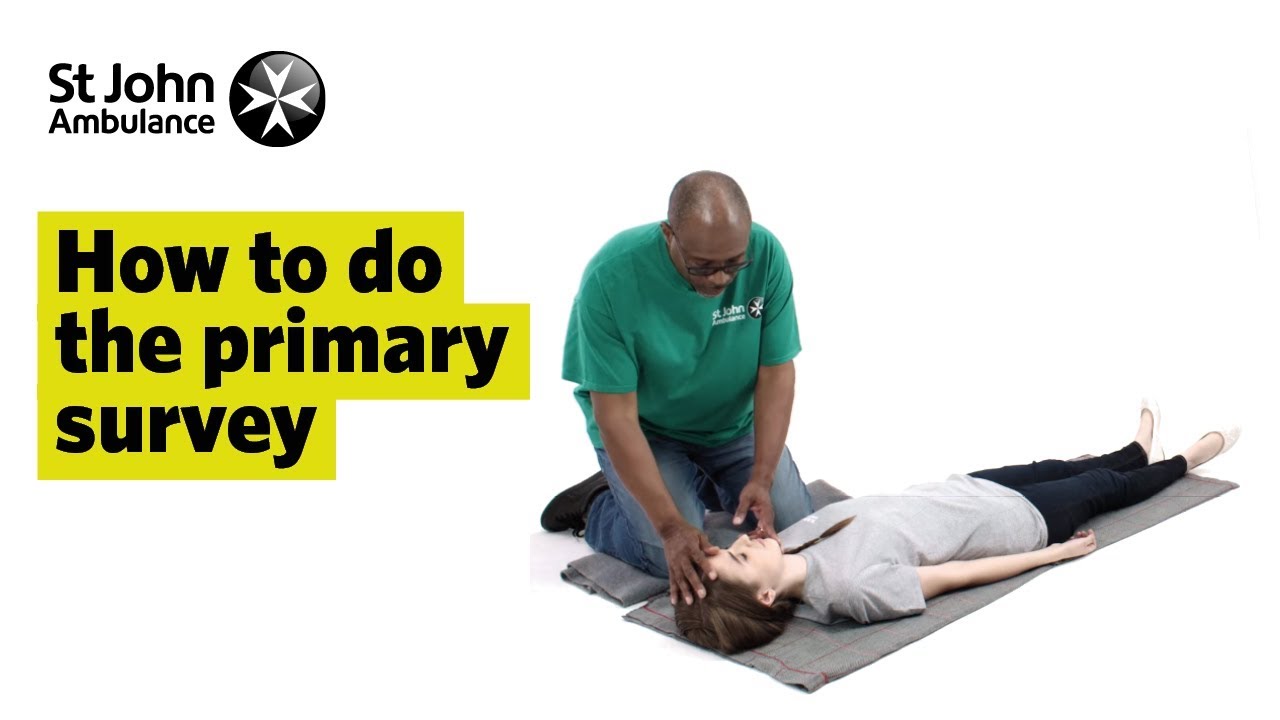
Check Responsiveness: Shake the person delicately and scream loudly. Call for Help: If there's no action, telephone call 000 instantly for emergency assistance. Positioning: Make certain the person is existing level on their back on a firm surface. Open Airway: Turn their head back slightly by positioning one hand on their temple while raising their chin with one more hand. Check Breathing: Try to find chest motion and pay attention for breathing sounds. Start Chest Compressions:- Kneel next to them. Place heel of one hand on the center of their chest. Place your other hand on top; interlock fingers. Keep arms straight and shoulders directly over hands. Compress at the very least 5 centimeters deep at a price of 100-120 compressions per minute.
- After 30 compressions, provide 2 breaths making use of a pocket mask or mouth-to-mouth if safe. Continue cycles of 30 compressions followed by 2 breaths.
Incorrect Compression Depth
One common blunder during grown-up CPR is utilizing an incorrect compression depth-- less than 5 cm or greater than 6 cm might not be effective adequate or might trigger injury. Always go for in between 5 centimeters and 6 cm.
CPR for Special Situations
Infant mouth-to-mouth resuscitation Technique
Performing baby CPR calls for specific techniques as a result of their size:
Check Responsiveness: Carefully touch the baby's foot or shoulder. Call for Help: Call emergency services while making sure safety first. Positioning: Lay them on a company surface area on their back. Open Airway: Make use of a neutral setting instead of tilting their head back also far. Check Breathing: Observe routine breathing patterns closely. Chest Compressions:- Use 2 fingers placed just below the nipple line at a deepness of around 4 cm at a rate comparable to adults-- 100-120 compressions per minute.
- Give 2 mild breaths after every 30 compressions; make certain no obstruction occurs.
Drowning Victims
For sinking sufferers, it's crucial first to get them out of water safely prior to starting CPR:
Follow standard mouth-to-mouth resuscitation actions but emphasize rescue breaths since they might not be taking a breath because of water inhalation.
Ensure respiratory tracts are clear by turning the head backward before launching rescue breaths.
Utilizing AED with mouth-to-mouth resuscitation in Australia
What is an AED?
An Automated External Defibrillator (AED) is developed to examine heart rhythms and supply electrical shocks as needed throughout cardiac arrest situations.
How To Use AED
Turn on the AED device; follow voice prompts offered by it meticulously. Expose the upper body location where pads will certainly be placed. Attach pads according to diagrams shown on pads or tool directions-- one pad over ideal bust bone and an additional listed below left armpit. Ensure no one touches the individual while examining rhythm-- clear every person away! If shock encouraged, press 'shock' switch when prompted; return to chest compressions promptly after shock delivery.Household mouth-to-mouth resuscitation Readiness
Preparing Your Home For Emergencies
Being all set at home can save vital minutes throughout emergencies:
Have easily accessible locations for first aid sets consisting of handwear covers, scissors, antiseptic wipes & & handbooks laying out basic emergency treatment procedures including "how to execute cpr." Discuss family emergency plans frequently involving all relative so every person understands what activities they need to take if something takes place unexpectedly!FAQs About Executing CPR in Australia
Q1: How long does a CPR certificate continue to be legitimate in Australia?
A1: A normal CPR certificate validity lasts up to three years before needing renewal through recertification courses provided widely across different organizations like St John Ambulance.
Q2: Are there on-line choices available for acquiring certification?
A2: Yes! Many identified institutions supply online cpr certification that permits participants flexibility relating to time management while learning crucial skills required efficiently!
Q3: What age-specific standards exist for executing cpr?
A3: Yes! There are clear age-specific mouth-to-mouth resuscitation standards australia emphasizes differences based upon age groups (infants vs children vs adults) regarding methods utilized thus making sure effectiveness without creating harm unintentionally!
Q4: Is there any kind of analytical data connecting success rates post-cpr?
A4: Absolutely! According To cpr success rate data australia, Immediate initiation increases survival rates dramatically indicating value behind prompt interventions!

Q5: Can I make use of AED without formal training?
A5: Absolutely! Most modern-day devices come furnished with user-friendly directions making it feasible even untrained people carry out shocks securely when necessary!
Q6: Where can I find regional courses using hands-on training sessions?
A6: Countless companies offer local mouth-to-mouth resuscitation classes, consisting of community centers in addition to medical facilities focusing primarily showing basic lifesaving methods efficiently via sensible demos alongside academic expertise acquisition!
Conclusion
Knowing just how to do CPR in Australia successfully has actually emerged as a vital capability efficient in conserving countless lives annually-- a responsibility most of us share within our communities! By understanding foundational concepts surrounding this life-saving technique together with integrating sources offered in your area such as training courses tailored specifically in the direction of boosting specific capacities; we equip ourselves better outfitting those eager enough rise events where activity needs taken immediately! Remember constantly method makes excellent; for that reason constant knowing whether attending refresher course trainings workshops ensures preparedness against unforeseen emergencies striking when least expected!
